The Story Of The Puente Romano
The tale from ancient history to modern day
🌍 Part of the My Guide Network
The Story of Puente Romano, Marbella
Nestled on Marbella’s famed Golden Mile lies Puente Romano, one of the most iconic names on the Costa del Sol. Today, it is synonymous with luxury resorts, fine dining, and Mediterranean elegance, but its name and origins reveal a much older story — one that stretches back nearly two thousand years.
The term Puente Romano literally means “Roman Bridge,” and it refers to a small bridge that still stands within the grounds of the modern resort. This bridge is believed to be part of the ancient Via Augusta, the great Roman road that connected Cádiz to the rest of Hispania and ultimately linked to Rome. The bridge would have been a crucial crossing over a small stream, allowing goods, soldiers, and travellers to move along this vital trade route. While time and restoration may have altered its structure, the bridge remains a tangible connection to Marbella’s ancient past — a reminder that long before luxury yachts and beach clubs, this coast was part of a global empire.
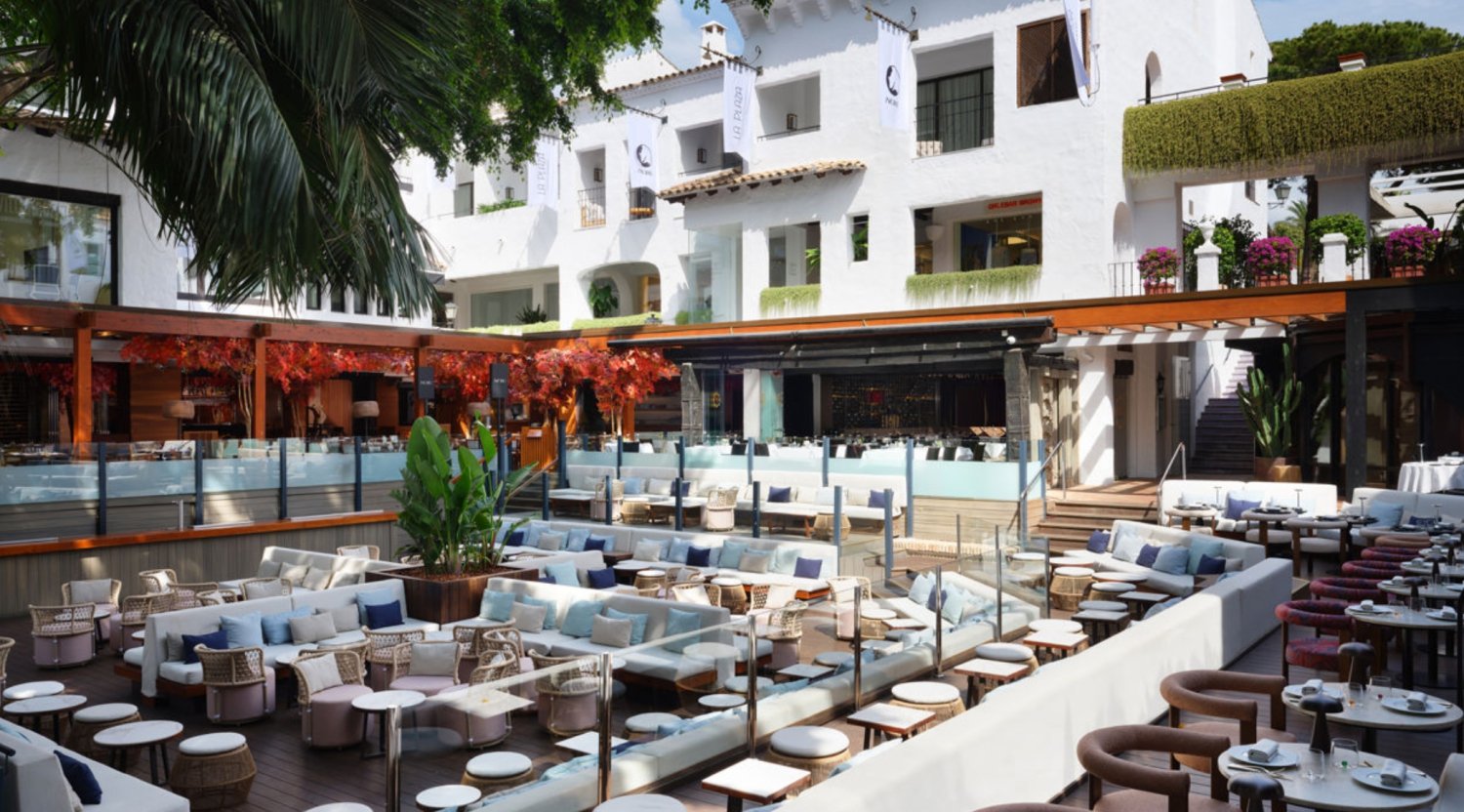
Fast-forward to the 20th century: in 1974, developers transformed the land around the bridge into a residential complex, inspired by the traditional style of Andalusian white villages. Whitewashed buildings, winding paths, and lush gardens were designed to evoke the charm of a Mediterranean village while offering modern comforts. By 1979, the complex was converted into a five-star hotel, establishing what would become the prestigious Puente Romano Beach Resort. The original bridge and stream were preserved as a central feature, around which pathways, gardens, and courtyards were carefully planned — blending history with leisure.
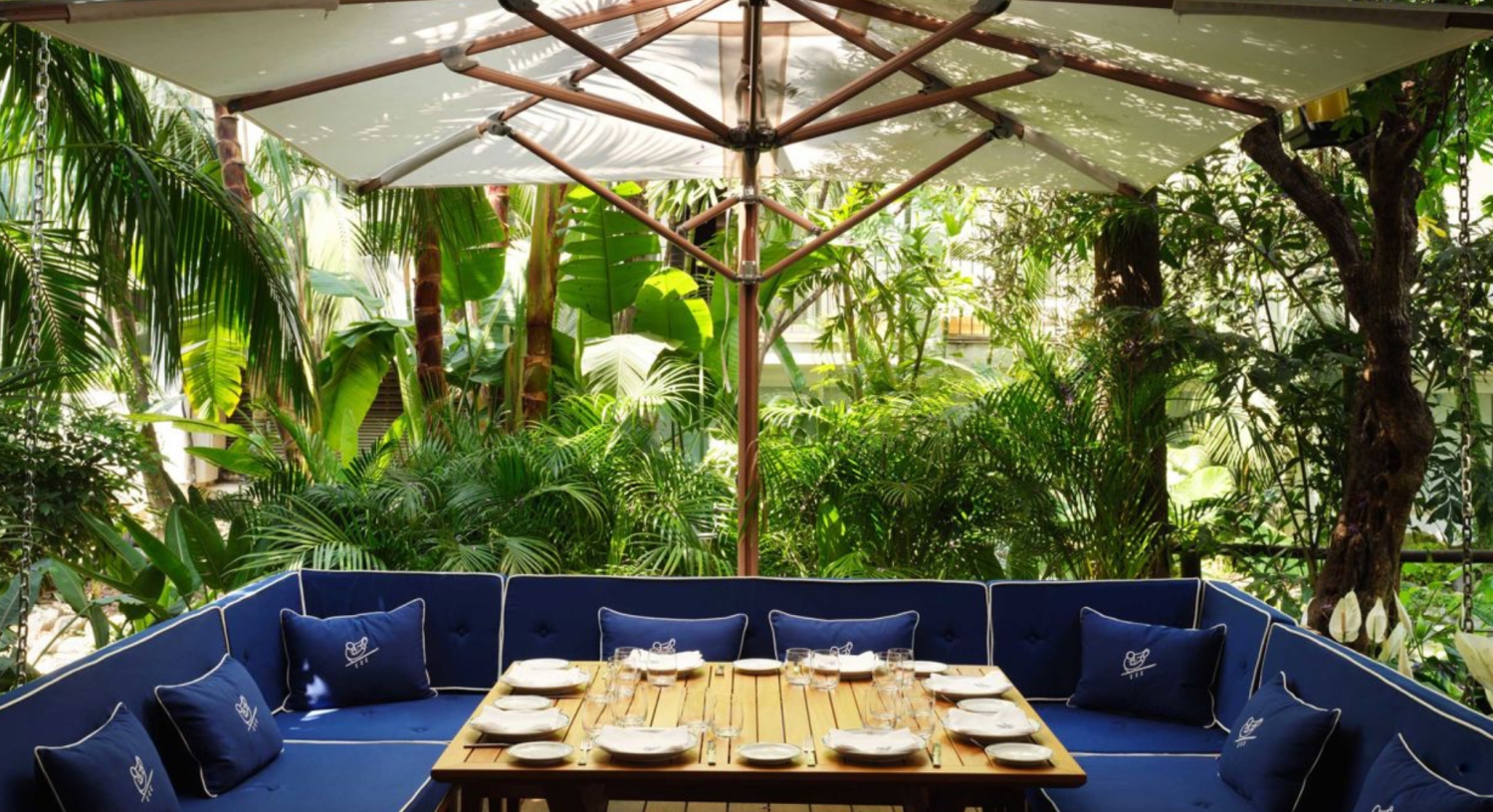
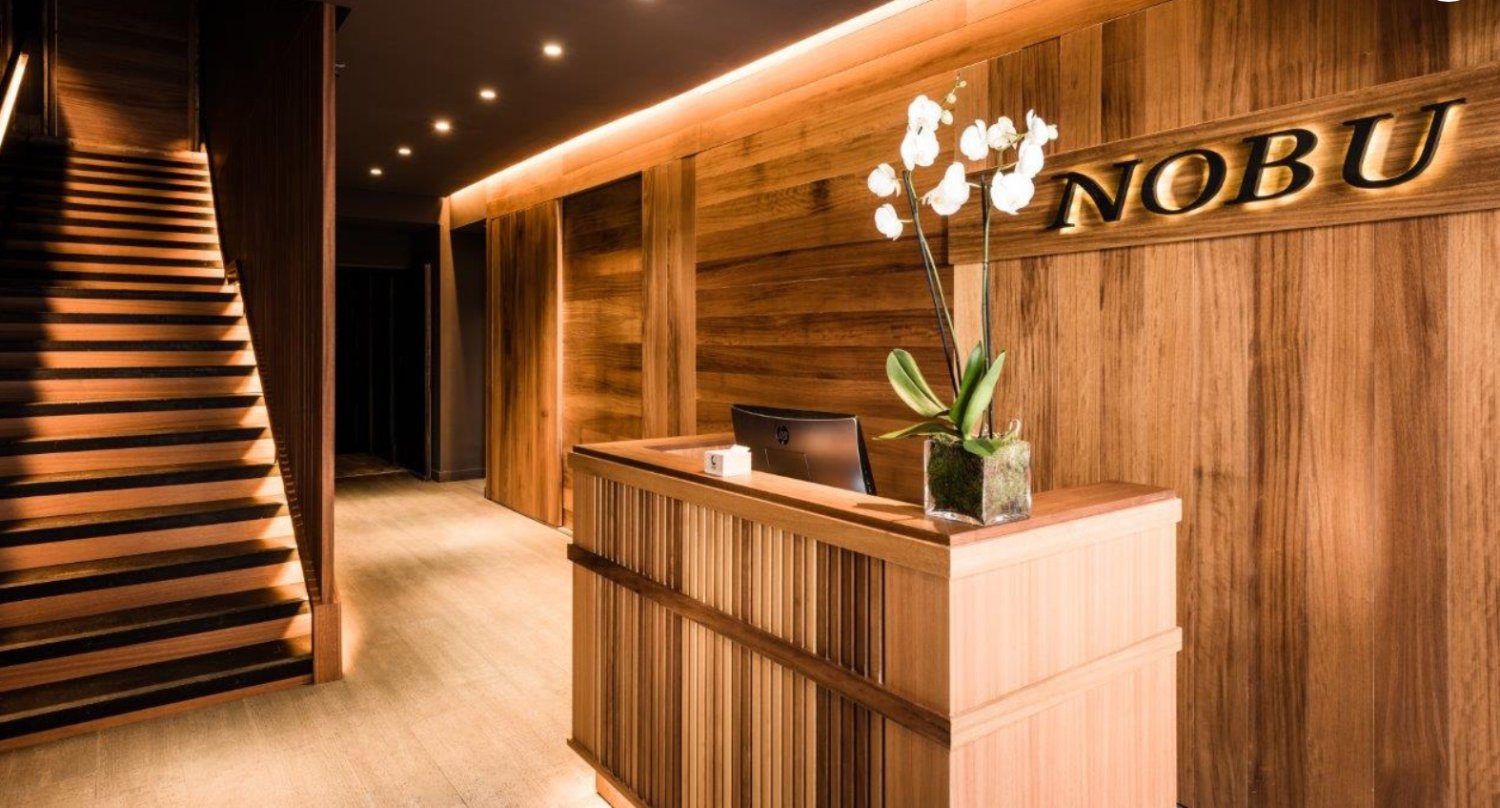
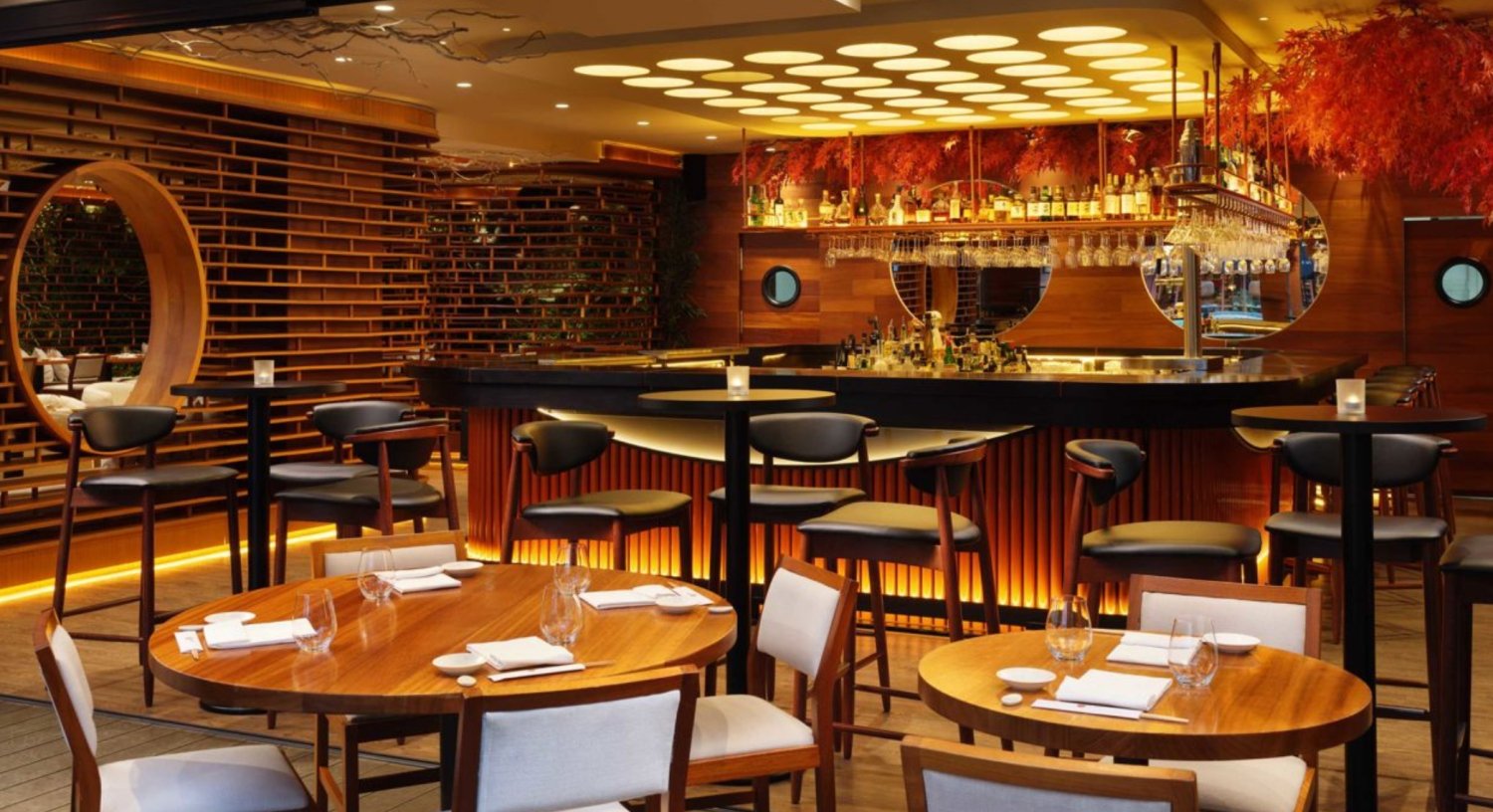
Puente Romano Marbella is a culinary haven, offering more than 20 restaurants and bars that span from high-end gastronomy to a beachside and more casual affair. Whether you’re craving the elegant fusion flavours of Nobu or COYA, the rustic grill mastery of Leña, or the garden tranquillity of Les Jardins du Liban, or perhaps some old-school vibes at Cipriani there’s something for every mood. For lighter fare, Celicioso and Rachel’s Eco Love deliver health-focused menus, while Chiringuito and Chambao let you sink into the sand and savour fresh seafood by the waves. And when the evening comes alive, La Plaza, Claude’s, and Coya Club provide vibrant spaces for cocktails, live music, and sharing moments under Marbella’s Mediterranean skies.
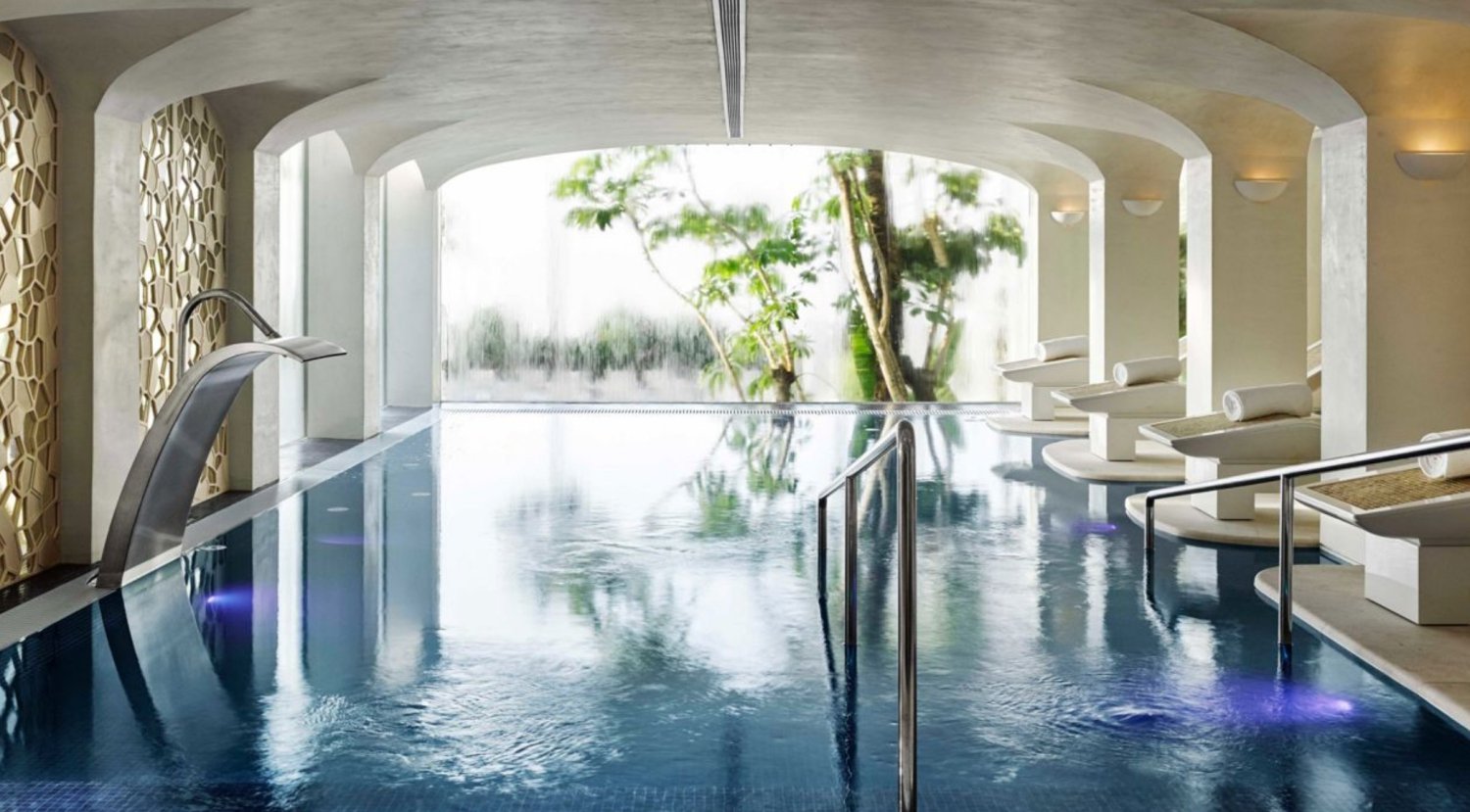
Puente Romano quickly became more than just a place to stay — it became a destination. Its Tennis Club, inaugurated the same year by legendary Swedish tennis player Björn Borg, has hosted Davis Cup matches and professional tournaments, attracting sports lovers from around the world. Over the decades, Puente Romano expanded to include award-winning restaurants, a beach club, spa, wellness centre, and luxury residences. Its gardens, full of tropical plants and fountains, are a highlight for visitors, creating a sense of serenity just steps from the Mediterranean Sea.
The Roman bridge itself enjoys partial heritage protection under Marbella’s urban plan. While not a major monument like an aqueduct or amphitheatre, it is officially recognised as a historical asset, and its preservation is considered a priority. The decision to integrate the bridge into the resort’s design rather than remove or obscure it has given Puente Romano a unique character — one where past and present coexist harmoniously.
Today, Puente Romano is one of the most prestigious addresses in Marbella, attracting visitors, celebrities, and residents seeking luxury and lifestyle. Yet its name continues to honour the modest stone bridge that first gave this place its identity. The area also has some of Marbella's most exclusive and expensive real-estate with options to buy within the grounds of the hotel and alongside.
In many ways, Puente Romano mirrors Marbella’s own story: a town that evolved from a small Roman and Moorish settlement, through centuries of fishing and agriculture, into a global hotspot for luxury tourism. The bridge is more than a historical relic — it is a metaphorical link between centuries of history and the modern Mediterranean dream.
Nestled on Marbella’s famed Golden Mile lies Puente Romano, one of the most iconic names on the Costa del Sol. Today, it is synonymous with luxury resorts, fine dining, and Mediterranean elegance, but its name and origins reveal a much older story — one that stretches back nearly two thousand years.
The term Puente Romano literally means “Roman Bridge,” and it refers to a small bridge that still stands within the grounds of the modern resort. This bridge is believed to be part of the ancient Via Augusta, the great Roman road that connected Cádiz to the rest of Hispania and ultimately linked to Rome. The bridge would have been a crucial crossing over a small stream, allowing goods, soldiers, and travellers to move along this vital trade route. While time and restoration may have altered its structure, the bridge remains a tangible connection to Marbella’s ancient past — a reminder that long before luxury yachts and beach clubs, this coast was part of a global empire.
Fast-forward to the 20th century: in 1974, developers transformed the land around the bridge into a residential complex, inspired by the traditional style of Andalusian white villages. Whitewashed buildings, winding paths, and lush gardens were designed to evoke the charm of a Mediterranean village while offering modern comforts. By 1979, the complex was converted into a five-star hotel, establishing what would become the prestigious Puente Romano Beach Resort. The original bridge and stream were preserved as a central feature, around which pathways, gardens, and courtyards were carefully planned — blending history with leisure.
Puente Romano Marbella is a culinary haven, offering more than 20 restaurants and bars that span from high-end gastronomy to a beachside and more casual affair. Whether you’re craving the elegant fusion flavours of Nobu or COYA, the rustic grill mastery of Leña, or the garden tranquillity of Les Jardins du Liban, or perhaps some old-school vibes at Cipriani there’s something for every mood. For lighter fare, Celicioso and Rachel’s Eco Love deliver health-focused menus, while Chiringuito and Chambao let you sink into the sand and savour fresh seafood by the waves. And when the evening comes alive, La Plaza, Claude’s, and Coya Club provide vibrant spaces for cocktails, live music, and sharing moments under Marbella’s Mediterranean skies.
Puente Romano quickly became more than just a place to stay — it became a destination. Its Tennis Club, inaugurated the same year by legendary Swedish tennis player Björn Borg, has hosted Davis Cup matches and professional tournaments, attracting sports lovers from around the world. Over the decades, Puente Romano expanded to include award-winning restaurants, a beach club, spa, wellness centre, and luxury residences. Its gardens, full of tropical plants and fountains, are a highlight for visitors, creating a sense of serenity just steps from the Mediterranean Sea.
The Roman bridge itself enjoys partial heritage protection under Marbella’s urban plan. While not a major monument like an aqueduct or amphitheatre, it is officially recognised as a historical asset, and its preservation is considered a priority. The decision to integrate the bridge into the resort’s design rather than remove or obscure it has given Puente Romano a unique character — one where past and present coexist harmoniously.
Today, Puente Romano is one of the most prestigious addresses in Marbella, attracting visitors, celebrities, and residents seeking luxury and lifestyle. Yet its name continues to honour the modest stone bridge that first gave this place its identity. The area also has some of Marbella's most exclusive and expensive real-estate with options to buy within the grounds of the hotel and alongside.
In many ways, Puente Romano mirrors Marbella’s own story: a town that evolved from a small Roman and Moorish settlement, through centuries of fishing and agriculture, into a global hotspot for luxury tourism. The bridge is more than a historical relic — it is a metaphorical link between centuries of history and the modern Mediterranean dream.
The Story Of The Puente Romano - FAQs for Visitors
Where is the Puente Romano located?
It’s on the Golden The Puente Romano is on the Golden Mile in Marbella, directly on the beach and very well connected. Málaga airport is just 40 minutes by car.
Is the Puente Romano family friendly?
Yes, absolutely the Puente Romano has kid-friendly amenities, gardens, the restaurants are all accommodating for families also.
What are the accommodation options like?
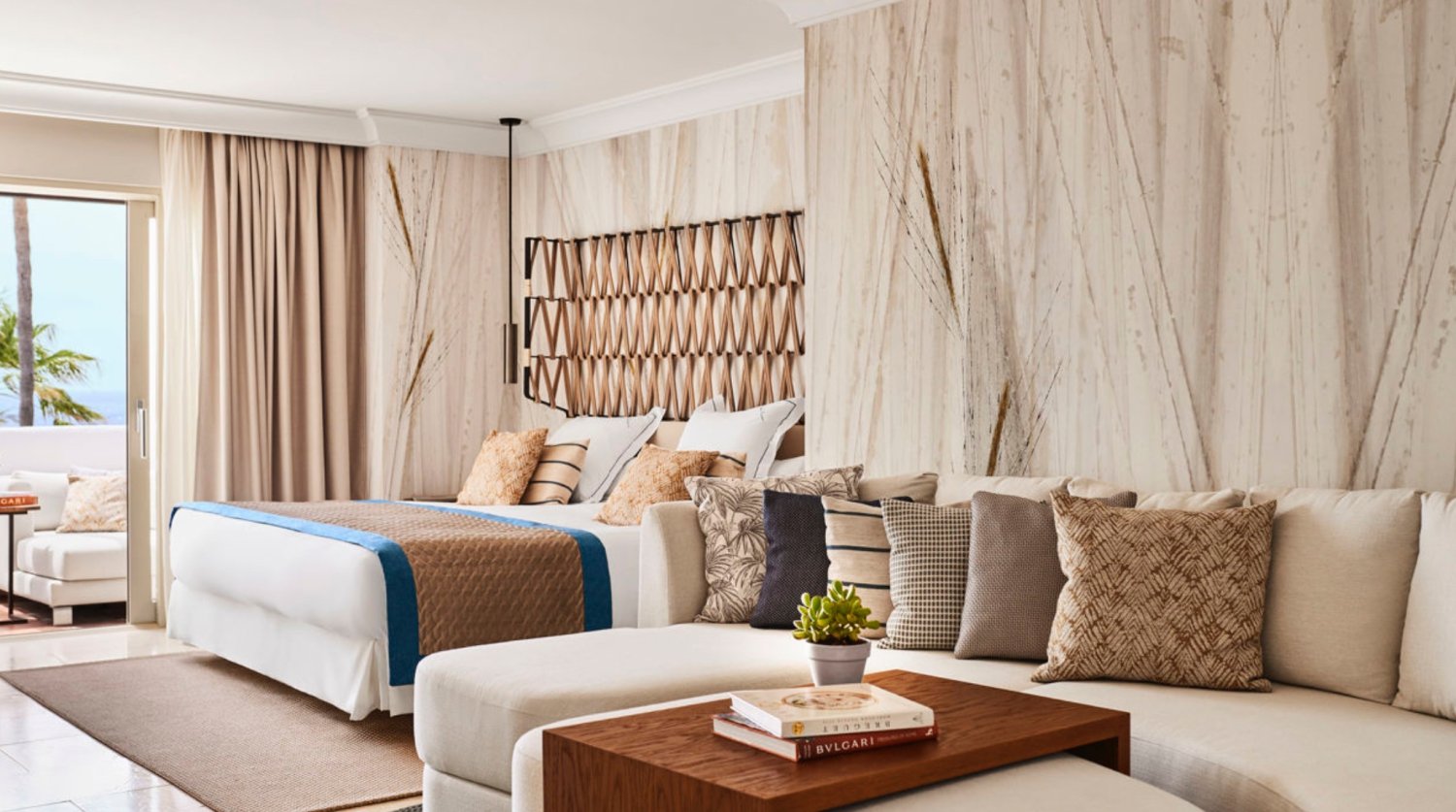
There are options for rooms, suites and also villas within the grounds of the Puente Romano.
What is the best time to visit the Puente Romano?
Summer is the peak season whereas the shoulder seasons still offer warm weather but are less crowded so this may be your preference if you prefer a more relaxing stay
Is the Puente Romano expensive?
It is a 5 star resort so yes, pricing is high both for accommodation and for the amenties.
By Fay Jones